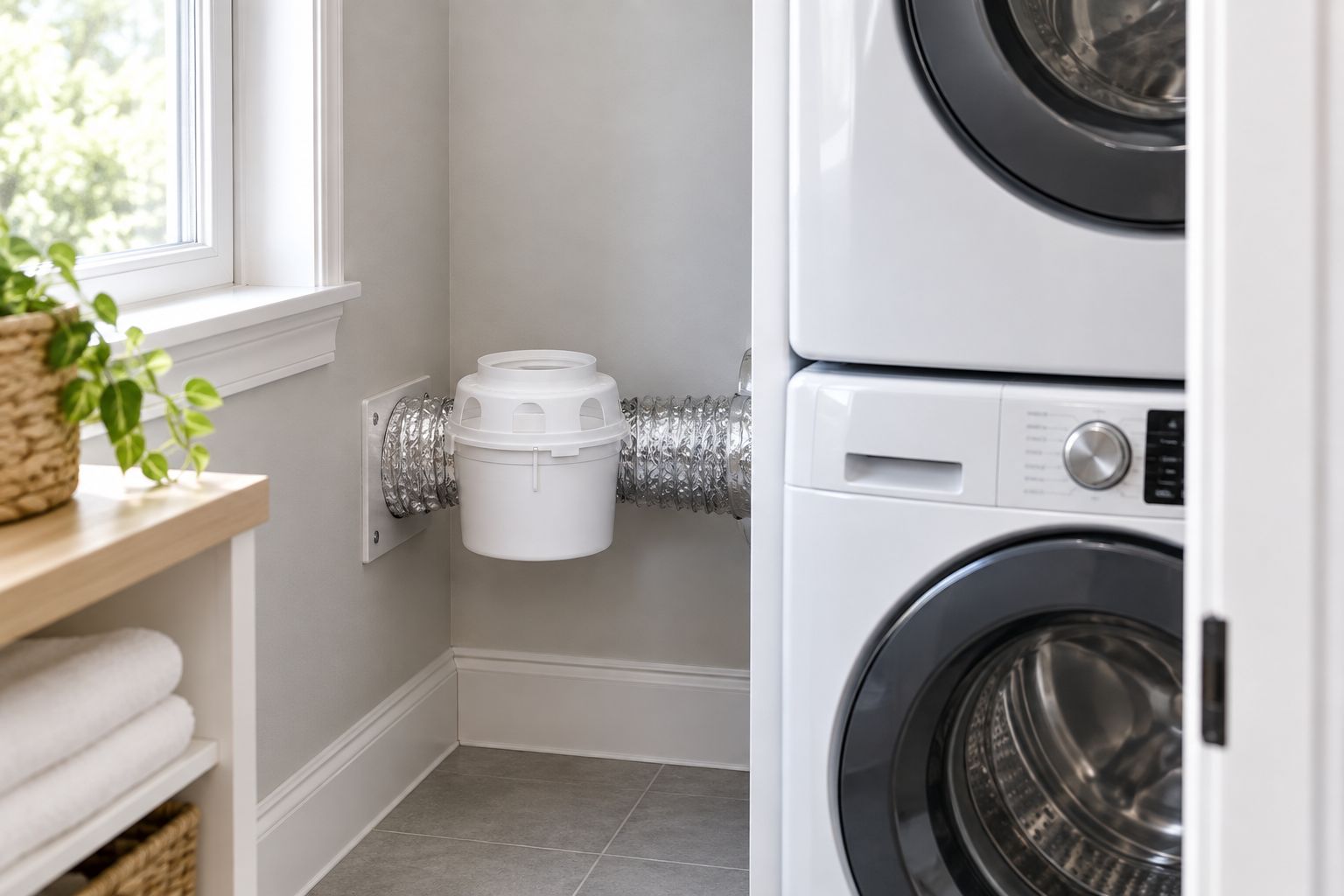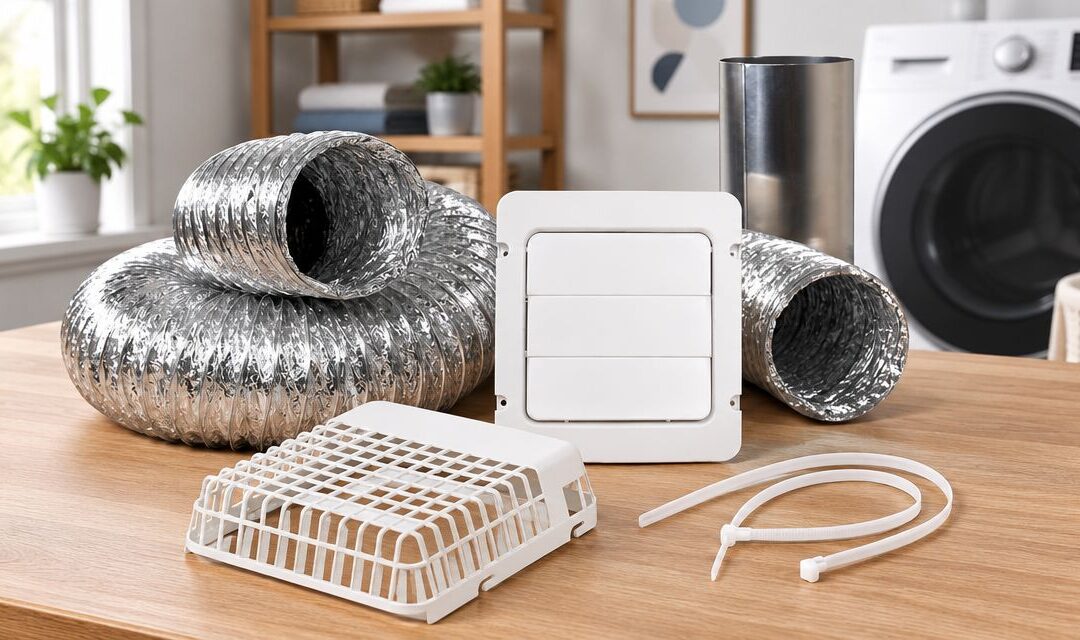
Best Dryer Vent Kit 2026: ProVent Wins Overall

Best Dryer Vent Kit 2026: ProVent Wins Overall

Seven dryer vent kits, one clear ranking for 2026: best overall is the ProVent Dryer Vent Kit for a standard exterior run, best for a full replacement job is the ProMax Dryer Vent Kit, best for laundry rooms with no exterior wall access is the Indoor Dryer Vent Kit, and vinyl duct kits should be skipped entirely.

TL;DR
  • ProVent Dryer Vent Kit is the best overall dryer vent kit for a standard exterior run in 2026.
  • ProMax Dryer Vent Kit suits full replacement jobs, not quick patches.
  • Indoor Dryer Vent Kit fits laundry rooms with no exterior wall access.
  • Rigid or semi-rigid metal duct meets most codes; vinyl duct kits do not.
  • Foil flexible duct works only as a short connector, never the full run.

Why this matters

A dryer that runs hot, takes two cycles to dry a load, or pushes lint back into the room usually has a bad vent setup, not a bad dryer. The kit you buy decides how much airflow resistance that run has for as long as you own the machine.

Dundas Jafine builds dryer vent kits and duct for exactly this problem, and the seven options below cover almost every install a homeowner runs into in 2026: straight exterior runs, full replacements, indoor-only setups, and the raw duct material choices behind all of them.

What makes the best dryer vent kit

  • Duct material that meets local code for the full run, not just part of it
  • Fit for the actual path: straight shot versus tight turns behind the machine
  • Hardware sized to the standard 4-inch dryer exhaust connection
  • A real answer for indoor-only setups with no exterior wall
  • Resistance to lint buildup over years of heat and moisture cycling
  • Honest limits on where flexible material is allowed and where it isn't

Dryer vent kits at a glance

# Kit Best for Standout feature Key limitation
1 ProVent Dryer Vent Kit Standard exterior installs Matched parts sized for a typical straight-through run Not built for long or heavily angled runs
2 ProMax Dryer Vent Kit Full replacement jobs Step-up option for tearing out and redoing a whole run Overkill for a simple, short swap
3 Indoor Dryer Vent Kit Laundry rooms with no exterior access Vents indoors when there's no path outside Not a substitute for outdoor venting when it's available
4 Rigid metal duct kit Code compliance and fire safety Smooth walls resist lint buildup Doesn't bend around tight corners
5 Semi-rigid aluminum duct kit Tight turns behind the dryer Holds shape but bends around obstacles Slightly more ridges than smooth rigid pipe
6 Foil flexible transition duct Short connector, not a full run Flexes into cramped closet space Not rated to replace the full exhaust run
7 Vinyl duct kit Nothing — avoid it None Prohibited under most current building codes

1. ProVent Dryer Vent Kit: best dryer vent kit for standard exterior installs

The ProVent Dryer Vent Kit is built for a dryer that vents straight out through an exterior wall. It bundles what a standard install needs into one purchase, so you're not hunting down duct, clamps and a vent hood separately.
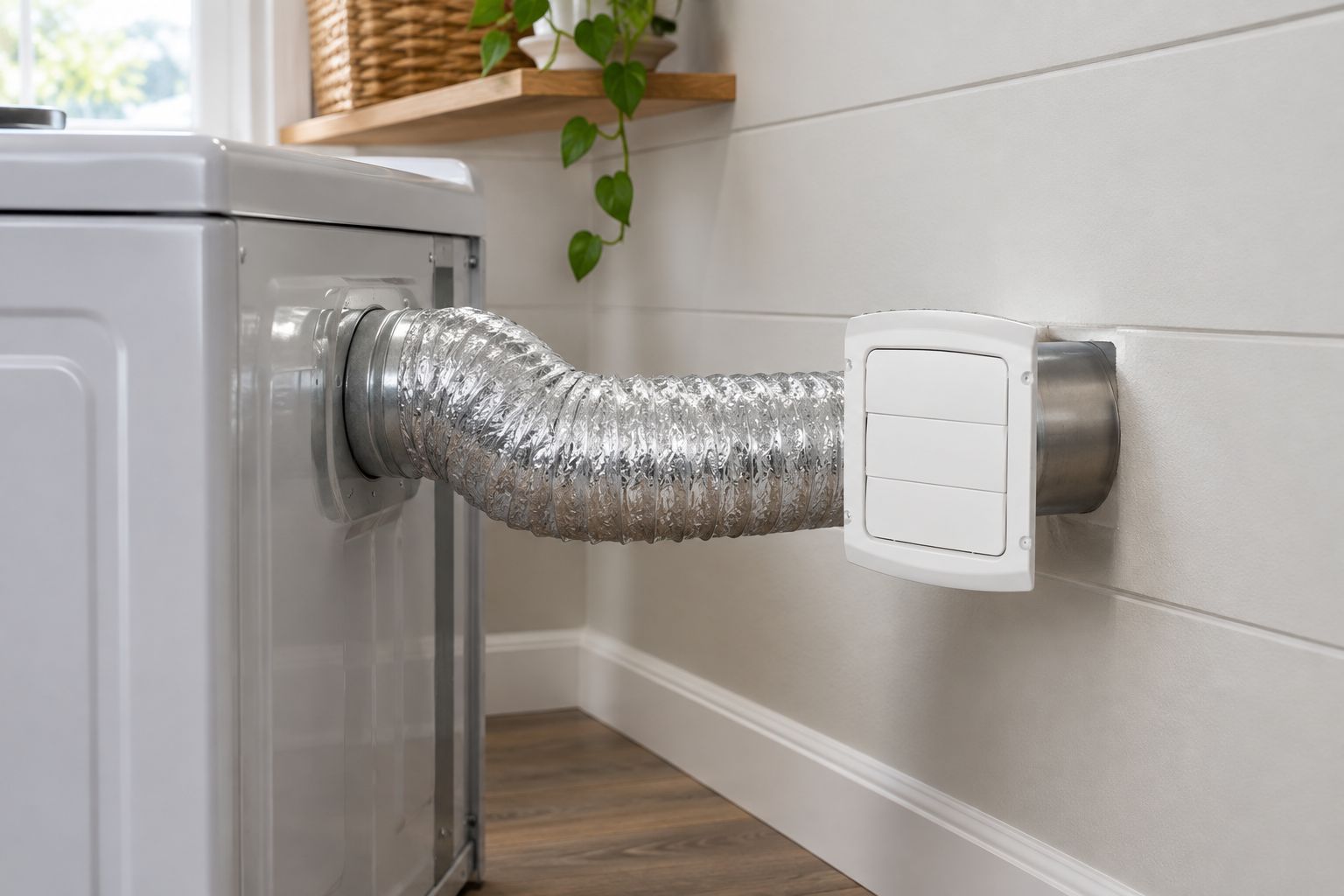
ProVent Dryer Vent Kit installed on a dryer against an exterior wall
A straight, unobstructed run to the exterior wall is what this kit is built around.

ProVent Dryer Vent Kit pros:

  • Matched, code-appropriate parts in one purchase
  • Sized for the standard 4-inch dryer exhaust connection
  • Straightforward for a first-time DIY install

ProVent Dryer Vent Kit cons:

  • Not sized for runs with several tight bends
  • No indoor-venting option if there's no exterior wall

Best for: a straight or lightly angled run to an exterior wall. Verdict: Buy.

2. ProMax Dryer Vent Kit: best dryer vent kit for full replacement jobs

The ProMax Dryer Vent Kit sits above ProVent in the lineup, built for a complete vent-system replacement rather than a quick patch. It's the one to reach for when the old run is damaged enough that you're starting over.

ProMax Dryer Vent Kit pros:

  • Designed for a full teardown-and-replace job, not a partial fix
  • Same 4-inch connection standard as the rest of the lineup
  • One purchase covers the whole job

ProMax Dryer Vent Kit cons:

  • More kit than most homeowners need for a simple swap
  • Still limited by the same code rules on bend count and material

Best for: full vent system replacements, not spot repairs. Verdict: Buy if replacing the whole run.

3. Indoor Dryer Vent Kit: best dryer vent kit for laundry rooms with no exterior access

The Indoor Dryer Vent Kit solves a different problem: what to do when the dryer physically can't vent outside. It's built for apartments, mobile homes and interior laundry closets with no path to an exterior wall.

Indoor Dryer Vent Kit pros:

  • Only real option when outdoor venting isn't physically possible
  • Fits a laundry closet with no exterior wall penetration
  • Traps lint before it recirculates into the room

Indoor Dryer Vent Kit cons:

  • Not a substitute for outdoor venting when outdoor venting is available
  • Needs regular lint-filter cleaning to keep working

Best for: laundry setups with zero access to an exterior wall. Verdict: Buy only if outdoor venting genuinely isn't an option.

The rest of this list moves from packaged kits to the raw duct material itself, because the material decision matters as much as the kit you buy. Codes single out four categories for a dryer exhaust run, and only two of them are fully compliant for the entire length.
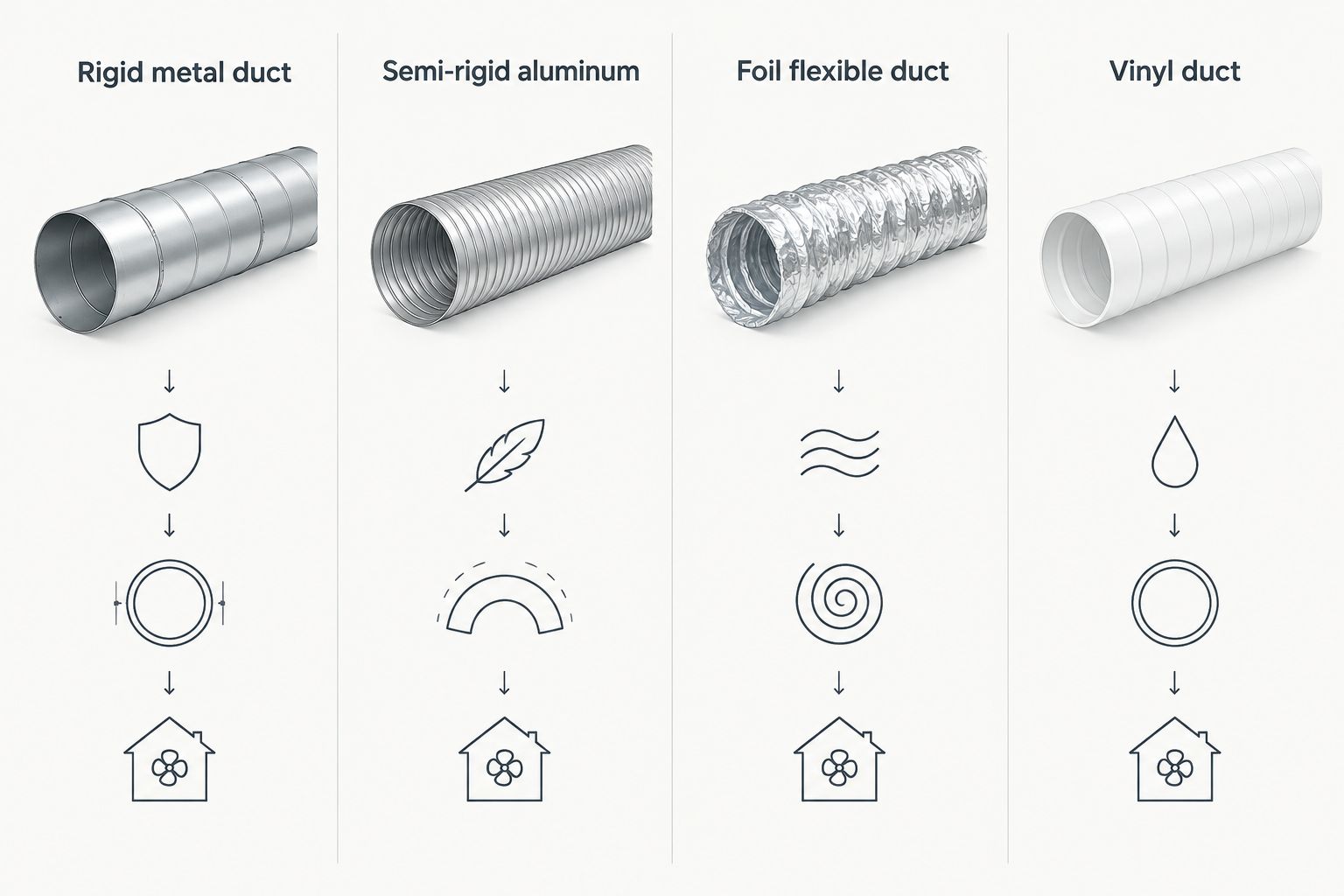
Four duct material types compared for dryer vent kits
Only two of these four materials meet most current codes for the full run.

4. Rigid metal duct kit: best dryer vent kit for code compliance and fire safety

Rigid metal duct is the material most building codes point to first for a dryer exhaust run. Its smooth interior walls shed lint instead of catching it, which is the main reason inspectors favor it over flexible alternatives.

Rigid metal duct pros:

  • Smooth walls resist lint buildup
  • Meets the material requirement most inspectors check for
  • Long service life with minimal maintenance

Rigid metal duct cons:

  • Doesn't flex around obstacles
  • Cutting and joining takes more work than a flexible kit

Best for: a straight, unobstructed run where code compliance matters most. Verdict: Buy for new construction or a full redo.

5. Semi-rigid aluminum duct kit: best dryer vent kit for tight turns behind the dryer

Semi-rigid aluminum duct is the compromise between rigid pipe and foil flex. It holds its shape but still bends around a corner where straight pipe won't fit, which is the usual case behind a dryer wedged into a tight closet.

Semi-rigid duct pros:

  • Bends around obstacles without collapsing
  • Still metal, so it meets most code requirements for the run
  • Easier to install solo than rigid sections

Semi-rigid duct cons:

  • Slightly more interior ridges than smooth rigid pipe
  • Can kink if bent too sharply

Best for: a run with one or two tight turns behind the machine. Verdict: Buy when rigid pipe won't fit the space.

6. Foil flexible transition duct: best dryer vent kit for a short connector, not a full run

Foil flexible duct is meant for the last short stretch between the back of the dryer and the wall or floor vent, not the whole run outside. It flexes easily into a cramped closet where nothing else fits.

Foil flex duct pros:

  • Flexes into spaces rigid and semi-rigid duct can't reach
  • Cheap and easy to swap when it gets crushed

Foil flex duct cons:

  • Not rated to replace the full exhaust run under most codes
  • Crushes easily if the dryer gets pushed back against the wall

Best for: the short connector segment only, paired with rigid or semi-rigid duct for the rest of the run. Verdict: Buy as a connector piece, never as the whole system.

7. Vinyl duct kit: best dryer vent kit for nothing — skip it

Vinyl duct kits still show up on store shelves, but this is the one category on the list with a simple answer: don't. Most current building codes, including the International Residential Code, prohibit plastic or vinyl duct for dryer exhaust because it doesn't hold up to the heat and can feed a fire instead of stopping one.

Vinyl duct pros:

  • None that outweigh the fire risk

Vinyl duct cons:

  • Prohibited under most current codes
  • Can melt or ignite under dryer exhaust heat
  • Traps more lint than smooth metal duct

Best for: nothing — replace it if you find it in your home. Verdict: Skip.

How this list was ranked

Each kit and duct type was measured against the six criteria above: code-legal material, fit for the actual path, hardware sized to a 4-inch connection, an indoor option, lint resistance, and honest limits on flexible duct. That's why the list splits into packaged kits first and raw material categories second — they answer different questions.

Which dryer vent kit should you choose in 2026?

For a standard install to an exterior wall, the ProVent Dryer Vent Kit is the default pick. Replacing an entire failing run calls for the ProMax Dryer Vent Kit, and a laundry closet with no outside wall needs the Indoor Dryer Vent Kit. Anywhere you find vinyl duct already installed, replace it before it becomes a fire risk instead of a vent.

FAQ

What is the best dryer vent kit for 2026?

The ProVent Dryer Vent Kit is the best overall dryer vent kit for 2026 for a standard exterior run. Full replacements suit the ProMax Dryer Vent Kit, and closets with no exterior wall need the Indoor Dryer Vent Kit.

Is vinyl dryer duct safe to use?

No, vinyl dryer duct is prohibited under most current building codes because it can’t handle dryer exhaust heat safely. Replace any vinyl duct you find with rigid or semi-rigid metal duct.

Can I use flexible foil duct for the entire dryer vent run?

No, foil flexible duct is meant for a short connector segment only, not the full exhaust run. Pair it with rigid or semi-rigid metal duct for the rest of the path.

What’s the difference between a dryer vent kit and buying duct separately?

A dryer vent kit bundles matched, correctly sized parts for one install so nothing is mismatched. Buying duct, clamps and a vent hood separately risks size or material mismatches.

Do I need an indoor dryer vent kit if I don’t have an exterior wall?

Yes, an indoor dryer vent kit is the practical option when there’s genuinely no path to vent outside. It’s common in apartments, mobile homes and interior laundry closets.

How much does a dryer vent kit cost?

Cost varies by material and retailer, since rigid, semi-rigid and packaged kits are priced differently. Check the retailer’s current price for exact figures.

How many bends should a dryer vent duct have?

Fewer bends is always better, since every elbow adds airflow resistance the dryer has to push against. A straight run with no elbows performs best.

Is rigid or semi-rigid duct better for a dryer vent kit?

Rigid duct wins on a straight, unobstructed run because its smooth walls resist lint buildup best. Semi-rigid aluminum wins when the path has tight turns rigid pipe can’t make.

One last thing

Duct length gets blamed for weak airflow more than it deserves. Every 90-degree elbow in a run adds more resistance than a few extra feet of straight duct, which is why a shorter run with three tight turns can dry slower than a longer, straighter one — count the bends before you count the feet.
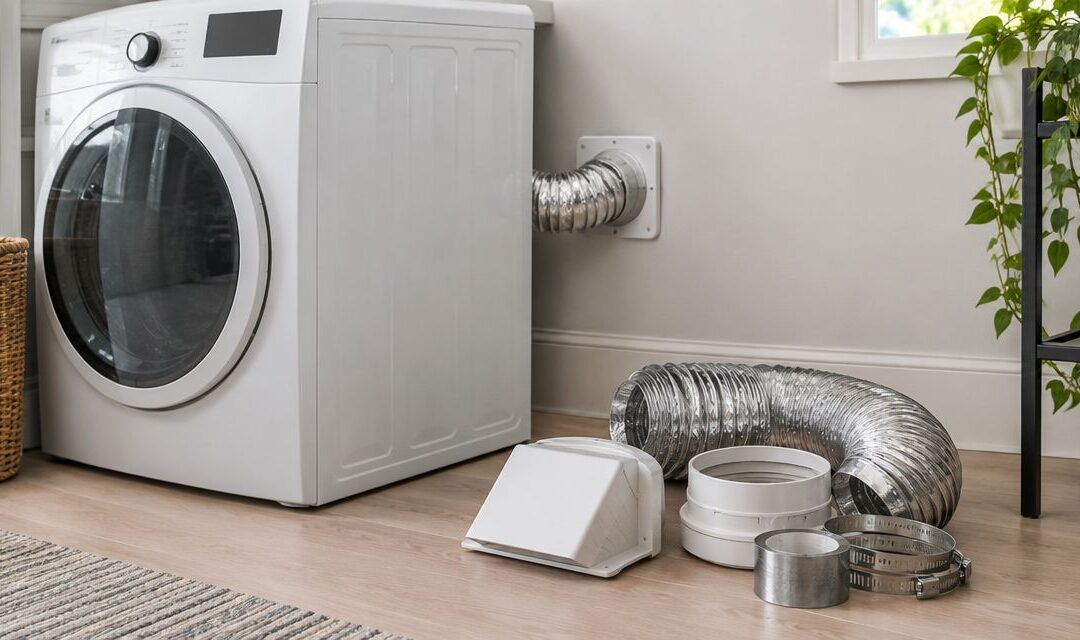
Indoor Dryer Vent Kit: Best Picks for 2026

Indoor Dryer Vent Kit: Best Picks for 2026

Best overall for 2026: the ProFlex Indoor Dryer Vent Kit from Dundas Jafine, built for electric dryers with no exterior wall access. Best for tight laundry closets: a low-profile indoor vent kit with a slim lint-trap box. Best for basement laundry rooms set back from a wall outlet: an extended-hose indoor vent kit. Best for households running multiple loads a day: a multi-filter indoor vent kit that holds more lint between cleanings.

TL;DR
  • The ProFlex Indoor Dryer Vent Kit from Dundas Jafine wins overall for electric dryers without outdoor vent access in 2026.
  • An indoor dryer vent kit only works with electric dryers – gas dryers must vent outdoors under Canadian and US codes.
  • Low-profile kits fit stacked laundry closets; extended-hose kits suit basements set back from a wall outlet.
  • Every indoor vent kit needs its lint trap or water basin cleaned after every load, not once a month.
  • Dundas Jafine has built venting products for over 90 years, with wide retail distribution across Canada and the US.

Why this matters

An indoor dryer vent kit exists for one reason: some laundry rooms have no path to the outdoors. Basement suites, mid-building condo units, and older homes without a dedicated exterior wall near the dryer all run into the same problem – the dryer needs somewhere to push hot, lint-loaded air, and outside isn't an option.

An indoor vent kit solves that by routing exhaust air through a lint-catching box or water basin instead of a wall or roof vent. The dryer still runs hot and moves air; the kit just traps the lint indoors rather than sending it outside. It is not interchangeable with standard outdoor venting, and it is not a workaround for a gas dryer.

For a wider side-by-side across more dryer venting styles – not just indoor kits – see Dundas Jafine's best dryer vent kits comparison. This page narrows the focus to indoor kits specifically, since that's a distinct buying decision with its own rules.

Before buying anything, check the local building department. Some municipalities restrict or prohibit indoor dryer venting outright, and both Canadian and US codes are firm that gas dryers must vent to the outdoors – never into a room. Electric dryers are the only candidate for an indoor vent kit in 2026, full stop.

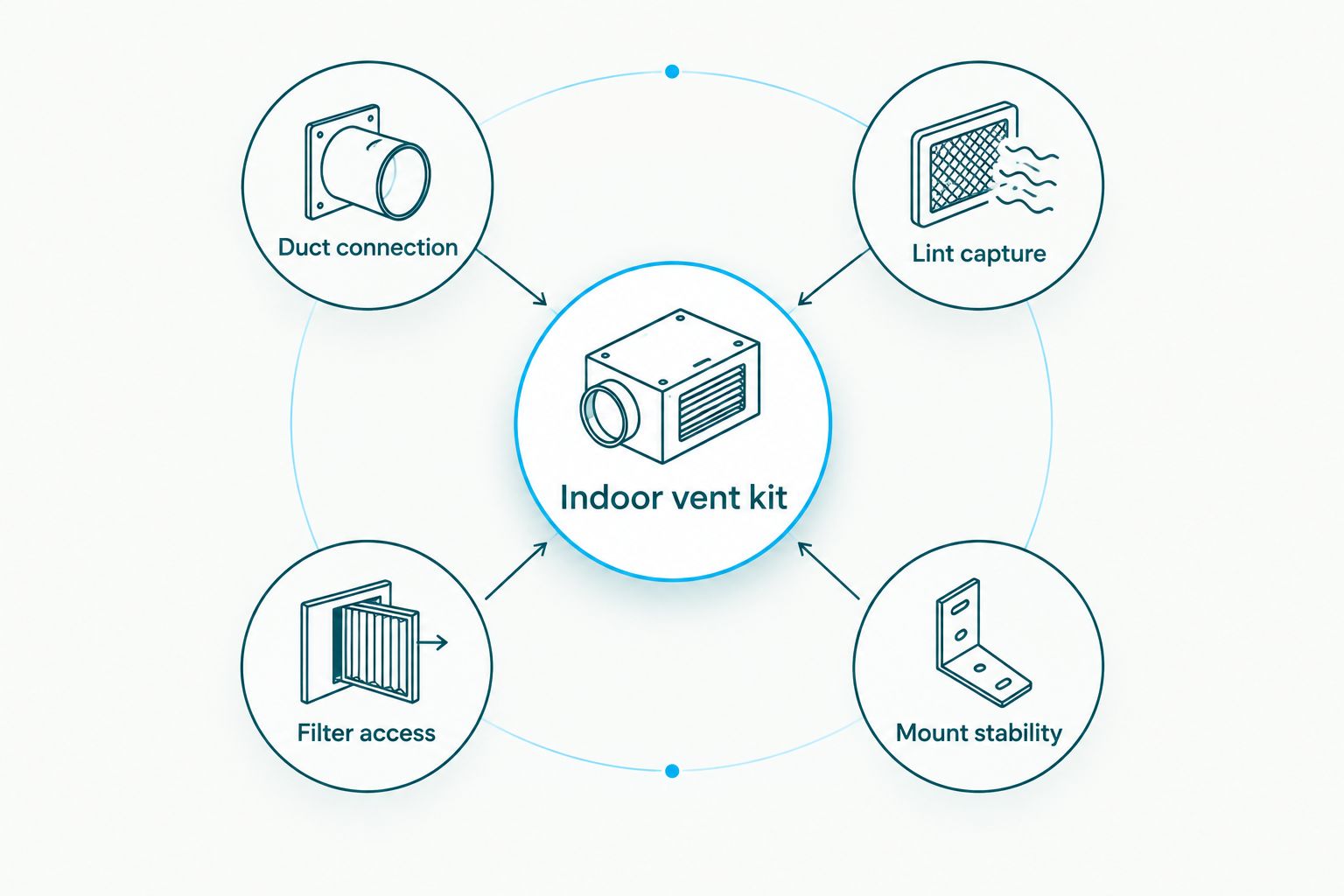
What makes the best indoor dryer vent kit

  • Dryer compatibility – electric only; a gas dryer cannot legally or safely use an indoor kit
  • Duct connection size – matches the standard 4-inch dryer duct most machines already use
  • Lint capture design – a trap box or water basin that actually holds lint instead of letting it recirculate
  • Cleaning access – a filter screen or basin you can reach and empty without tools
  • Mount stability – a bracket or footprint that holds the unit in place behind or beside the dryer
  • Code compliance – acceptable under the local jurisdiction's building code, which varies by province and state
Diagram showing the four core parts of an indoor dryer vent kit
The parts that decide how well an indoor vent kit performs are the same across brands.

Indoor dryer vent kits at a glance

Kit type Best for Standout feature Key limitation
ProFlex Indoor Dryer Vent Kit Apartments and condos with no exterior vent access Backed by Dundas Jafine's 90+ years in venting manufacturing Manual cleaning after each load, electric dryers only
Low-profile indoor vent kit Tight laundry closets and stacked units Slim trap box fits between machine and wall Smaller lint capacity means more frequent cleaning
Extended-hose indoor vent kit Basement laundry rooms set back from an outlet Longer hose reaches farther without a booster fan Longer hose runs lose some airflow efficiency
Multi-filter indoor vent kit Households running frequent daily loads Layered filter design holds more lint between cleanings Bulkier footprint, filters need periodic replacement

1. ProFlex Indoor Dryer Vent Kit: best indoor dryer vent kit for apartments and condos without exterior access

The ProFlex Indoor Dryer Vent Kit is Dundas Jafine's entry in this category, designed to connect to the standard duct size most electric dryers already run and recirculate exhaust air through a lint-catching box instead of a wall vent. It's built for the exact scenario this whole product category exists for: a laundry area with no outdoor wall or roof penetration nearby.

Dundas Jafine has manufactured air distribution and venting products for homeowners and building product retailers across North America for more than 90 years, and this kit sits alongside the company's broader dryer venting and ducting line.

ProFlex Indoor Dryer Vent Kit pros:

  • Connects to standard dryer duct sizing, no custom fitting required
  • Backed by Dundas Jafine's long manufacturing history in venting products
  • Available through building product retailers across Canada and the US
  • No exterior wall penetration needed at install

ProFlex Indoor Dryer Vent Kit cons:

  • Works only with electric dryers, never gas
  • Requires manual cleaning after every load, not on a monthly schedule
  • Some municipalities restrict indoor dryer venting – confirm locally before buying
ProFlex Indoor Dryer Vent Kit installed behind a stacked laundry unit
Indoor vent kits mount low and out of the way, behind or beside the dryer.

Verdict: Buy if you have an electric dryer and no path to outdoor venting – this is the category's default pick for 2026.

2. Low-profile indoor vent kit: best indoor dryer vent kit for tight laundry closets

A low-profile kit trades lint capacity for footprint. The trap box sits flush against the wall or between the dryer and the closet frame, which matters when a stacked washer-dryer unit leaves almost no clearance behind the machine.

Low-profile indoor vent kit pros:

  • Fits stacked units and narrow closets where a standard box won't clear
  • Keeps the duct run short, which helps airflow

Low-profile indoor vent kit cons:

  • Smaller trap means more frequent cleaning cycles
  • Less forgiving if lint output runs high on heavy loads

Verdict: Buy if closet clearance, not lint volume, is the deciding constraint.

3. Extended-hose indoor vent kit: best indoor dryer vent kit for basement laundry rooms

Basement laundry setups often place the dryer several feet from the nearest wall outlet or floor drain, farther than a standard kit's hose reaches comfortably. An extended-hose version adds length without forcing a tight bend that chokes airflow.

Extended-hose indoor vent kit pros:

  • Reaches a farther wall point without a booster fan
  • Keeps the trap box positioned away from foot traffic

Extended-hose indoor vent kit cons:

  • Longer hose runs cost some airflow efficiency versus a short connection
  • Needs periodic inspection along the full hose length for lint buildup

Verdict: Buy if your basement dryer sits well back from the nearest wall connection point.

4. Multi-filter indoor vent kit: best indoor dryer vent kit for high-load households

Households doing several loads a day generate more lint per week than a single-filter box comfortably holds. A multi-filter or layered-filter kit spreads that load across two catch points instead of one.

Multi-filter indoor vent kit pros:

  • Holds more lint between cleanings, useful for large families
  • Reduces the odds of a missed cleaning cycle causing overflow

Multi-filter indoor vent kit cons:

  • Larger footprint than a single-filter design
  • Replacement filters add a recurring task to the maintenance list

Verdict: Buy if your laundry room runs multiple loads daily and a single trap fills too fast.

How this list was ranked

Each entry was weighed against the same six criteria from the section above: dryer compatibility, duct sizing, lint capture design, cleaning access, mount stability, and code compliance. The ranking is a decision tree by use case, not a leaderboard – the ProFlex Indoor Dryer Vent Kit and the three configuration types below it each solve a different laundry room constraint rather than competing for the same slot.

Which indoor dryer vent kit should you choose?

Most readers land on the same answer: if your electric dryer has no outdoor vent path, the ProFlex Indoor Dryer Vent Kit from Dundas Jafine is the default choice for 2026, backed by a manufacturer with over 90 years in air distribution and venting products. If closet space, hose reach, or lint volume is the real constraint, match to the low-profile, extended-hose, or multi-filter configuration above instead. Whichever you pick, confirm your local code allows indoor dryer venting before you buy, and never install one on a gas dryer.

FAQ

What is an indoor dryer vent kit?

An indoor dryer vent kit routes dryer exhaust air through a lint-catching box or water basin inside the home instead of venting it outdoors. It’s used where there’s no exterior wall or roof access near the dryer.

Is an indoor dryer vent kit safe?

It’s safe for electric dryers when installed and maintained correctly, including regular cleaning of the trap or basin. It is never safe or code-compliant for gas dryers, which must vent outdoors.

Can I use an indoor dryer vent kit with a gas dryer?

No. Gas dryers must vent to the outdoors under both Canadian and US building codes because of combustion byproducts. Indoor vent kits are built for electric dryers only.

How often do I need to clean an indoor dryer vent kit?

Clean the lint trap or water basin after every load, not on a weekly or monthly schedule. Skipping cleanings reduces airflow and can cause overflow.

Does Dundas Jafine make an indoor dryer vent kit?

Yes, the ProFlex Indoor Dryer Vent Kit is Dundas Jafine’s indoor venting product, built for electric dryers without outdoor vent access. It’s part of the company’s broader dryer venting and ducting line.

What duct size does an indoor dryer vent kit need?

Most indoor dryer vent kits connect to a standard 4-inch dryer duct, matching what most electric dryers already use. Confirm your dryer’s exhaust port size before buying.

Are indoor dryer vent kits legal in Canada and the US?

Legality depends on the local building department, since some municipalities restrict or prohibit indoor dryer venting. Check local code requirements before installing one in 2026.

How long does an indoor dryer vent kit last?

Lifespan depends on maintenance more than the kit itself – a trap or basin cleaned after every load will outlast one that’s neglected. Check the housing periodically for cracks or wear regardless of age.

One last thing

Many municipalities require a building department sign-off before an indoor dryer vent kit passes inspection – check with the local authority before you buy, not after installation. A kit that works perfectly on the bench can still fail an inspection if indoor venting isn't permitted in your zoning.

Related guides

How to Choose Dryer Venting for New Homes

How to Choose Dryer Venting for New Homes

How to Choose Dryer Venting for New Homes

Proper clothes dryer venting is essential for safety, energy efficiency, and indoor air quality in new homes. This guide explains how to select and install dryer venting components that meet common U.S. building practices and codes.

Key considerations

  • Vent duct material: Use rigid metal ducts (galvanized steel or aluminum) or semi-rigid metal ducts. Foil or plastic ducts are fire hazards and are not recommended.
  • Diameter: Use a 4-inch (110 mm) duct for clothes dryers; ensure all components (ducts, elbows, and vent hoods) are sized for 4 inches.
  • Run length and elbows: Plan the shortest practical route with as few turns as possible. Each elbow or long run reduces airflow and increases lint buildup; consult the product charts for maximum recommended lengths.
  • Exterior vent hood: Choose a weatherproof hood with a functioning back-draft damper and insect screen. Proper sealing prevents water and pests from entering the home.
  • Vent location: Route the vent directly outside, away from doors, windows, and ventilation intakes. Avoid routing through unconditioned spaces where moisture can condense.
  • Code compliance: Follow local building codes and manufacturer installation instructions. In many areas, new homes require permits and inspections for dryer vent installations.
  • Maintenance: Clean the lint screen after every load and inspect the vent path and damper annually; schedule professional cleaning if you notice reduced airflow or excess lint buildup.

Brand options for venting components

Choose components from reputable manufacturers that offer ducting, elbows, clamps, and vent hoods compatible with 4″ systems. Examples include:

  • Dundas Jafine

Installation and safety tips

Follow the product manuals and use metal-to-metal clamps on all joints. Avoid duct tape on joints, and use approved metal foil tape to seal seams. If your run is long or complex, hire a licensed professional to ensure proper airflow and code compliance.

Safety resources

For general dryer safety guidelines, see the U.S. Consumer Product Safety Commission resources: Clothes Dryer Safety.


Food Drive

Food Drive

Supporting Our Community: Dundas Jafine Team Donates to Local Food Charity

At Dundas Jafine, our work extends beyond our products. It’s about being a good neighbour. That’s why our team recently gathered to donate food items to Knight’s Table, a local organization dedicated to fighting hunger.

Knight’s Table provides essential services like hot meals, food pantry services, and community support to people in Brampton and the surrounding region. We are proud to support their mission.

This wasn’t a corporate initiative. It was a team effort. Our staff brought in non-perishable food items, filling boxes with groceries to help local families. This small act reflects our larger commitment to the community we call home.

We know that real change happens locally. Supporting a vital organization like Knight’s Table is a direct way to make a difference. It’s about neighbours helping neighbours.

To learn more about the incredible work of Knight’s Table or to see how you can help, please visit their website at https://knightstable.org/


Warranty Information

Warranty Information

Warranty Information

WHAT IS COVERED
All merchandise is warranted to be free from defects in workmanship and material for one year from the date of purchase. This includes normal wear and performance failure on items. The manufacturer will replace or repair at their option.

WHAT IS NOT COVERED
This warranty only covers normal wear and performance failure. It does not cover any malfunction, performance failure, or defect arising from the misuse, abuse, neglect, or modification of the product. Any damage or malfunction inflicted upon the product by the user or other external sources, or any failure to comply with the warnings and instructions, is not covered.

 ____________________________________________________________________________________________________

CE QUI EST COUVERT
Il est garanti que toute la marchandise est exempte de défauts de fabrication et de matériel pendant un an après la date de l’achat. Cela comprend l’usure normale et la défaillance des pièces. Le fabricant procédera au remplacement ou à la réparation, à son choix.

CE QUI N’EST PAS COUVERT
Cette garantie ne couvre que l’usure normale et la défaillance. Elle ne couvre aucune anomalie, défaillance ou défectuosité découlant de la mauvaise utilisation, de l’abus, de la négligence ou de la modification du produit. Les dommages et les anomalies infligés au produit par l’utilisateur ou une autre source extérieure et les manquements au respect des avertissements et les instructions ne sont pas couverts.

 ____________________________________________________________________________________________________

¿QUÉ SE CUBRE?
Toda la mercancía se garantiza contra defectos de fabricación y de los materiales durante un año a partir de la fecha de compra. Esto incluye el desgaste y las fallas en el desempeño normales de los artículos. El fabricante reemplazará o reparará el artículo a su criterio.


¿QUÉ NO SE CUBRE?
Esta garantía cubre únicamente el desgaste y las fallas en el desempeño normales. No cubre el mal funcionamiento, las fallas en el desempeño ni los defectos que surjan debido al mal uso, el abuso, la negligencia o la modificación del producto. No están cubiertos los daños ni el mal funcionamiento que
se cause al producto por parte del usuario o otras fuentes externas, ni las fallas debidas al incumplimiento de las advertencias y las instrucciones.


Ultimate Guide to Metal Dryer Boxes: Enhance Efficiency and Safety in Your Laundry Room

Ultimate Guide to Metal Dryer Boxes: Enhance Efficiency and Safety in Your Laundry Room

 Are you tired of the clutter and inefficiency that comes with traditional dryer venting? Welcome to the world of
metal dryer boxes, where safety and functionality meet to revolutionize your laundry room experience. In this
ultimate guide, we’ll explore how these ingenious solutions can enhance air flow, reduce energy costs, and
eliminate fire hazards all while maintaining a sleek aesthetic. Metal dryer boxes not only streamline your
appliance setup but also provide a durable, reliable option that stands the test of time. Whether you’re
renovating your laundry space or simply looking to upgrade your existing dryer vent system, this guide will
equip you with essential insights and tips to make informed decisions. Dive in and discover how a small change
can lead to significant improvements in both efficiency and safety, transforming your laundry room into the
efficient workspace you’ve always wanted.

Benefits of Using Metal Dryer Boxes

When it comes to upgrading your laundry room, metal dryer boxes offer numerous benefits that can
significantly enhance your overall experience. One of the primary advantages is improved airflow. Traditional
dryer vents often become clogged with lint and debris, reducing the efficiency of your dryer and increasing
drying times. Metal dryer boxes are designed to optimize airflow, ensuring that your dryer operates at peak
performance. This not only reduces energy consumption but also lowers your utility bills. Additionally, the
enhanced airflow helps to prevent overheating, which can lead to potential fire hazards.

Another significant benefit of metal dryer boxes is their durability and longevity. Made from high-quality
materials such as galvanized steel or aluminum, these boxes are built to withstand the rigors of daily use.
Unlike plastic or other less durable materials, metal dryer boxes do not warp, crack, or degrade over time. This
means you can rely on their performance for years to come, making them a cost-effective investment for your
home. Furthermore, metal dryer boxes are resistant to mold and mildew, ensuring a cleaner and healthier
laundry environment.

Aesthetically, metal dryer boxes offer a sleek and modern look that can complement any laundry room design.
Their streamlined appearance helps to reduce clutter and create a more organized space. Additionally, many
metal dryer boxes come with features such as recessed connections and hidden venting, further enhancing the
clean and tidy look of your laundry area. By choosing a metal dryer box, you not only improve the functionality
and safety of your dryer but also elevate the overall aesthetic of your laundry room.

How Metal Dryer Boxes Improve Laundry Room Safety

Safety is a paramount concern in any home, and the laundry room is no exception. One of the most significant
ways metal dryer boxes improve safety is by reducing the risk of dryer fires. According to the National Fire
Protection Association (NFPA), dryers and washing machines were involved in one out of every 22 home
structure fires reported to U.S. fire departments in 2010-2014. The leading cause of these fires was failure to
clean, primarily lint buildup in the dryer vent. Metal dryer boxes provide a secure and efficient way to manage
dryer exhaust, minimizing lint accumulation and reducing fire hazards.

In addition to preventing fires, metal dryer boxes also help to maintain proper ventilation in your laundry
room. Proper ventilation is essential for dispersing heat and moisture generated by the dryer. Without
adequate ventilation, excess moisture can lead to mold and mildew growth, which poses health risks and can
damage your home’s structure. Metal dryer boxes ensure that hot, moist air is efficiently vented outside,
maintaining a safe and healthy environment in your laundry room.

Moreover, metal dryer boxes are designed to be tamper-resistant and secure. Unlike flimsy plastic venting
systems that can be easily damaged or dislodged, metal dryer boxes provide a robust and stable connection
between your dryer and the venting system. This ensures that exhaust gases are safely directed outside,
preventing the potential buildup of harmful fumes such as carbon monoxide. By choosing a metal dryer box,
you can have peace of mind knowing that your laundry room is equipped with a safe and reliable venting
solution.

Key Features to Look for in Metal Dryer Boxes

When selecting a metal dryer box, there are several key features to consider to ensure you choose the best
option for your needs. One important feature is the material used in construction. High-quality metal dryer
boxes are typically made from galvanized steel or aluminum, both of which offer excellent durability and
resistance to corrosion. Galvanized steel is particularly robust and can withstand high temperatures, while
aluminum is lightweight and easy to install. Choose a material that best suits your specific requirements and
preferences.

Another crucial feature to look for is the design of the dryer box. Recessed or semi-recessed designs are highly
recommended as they save space and provide a more streamlined appearance. These designs allow the dryer to
sit closer to the wall, reducing the overall footprint of the appliance and creating a more organized laundry
room. Additionally, look for boxes with smooth interior surfaces, as these reduce lint buildup and facilitate
easier cleaning.

Ease of installation is another important consideration. Look for metal dryer boxes that come with clear
instructions and all necessary mounting hardware. Some models feature pre-drilled holes and adjustable
brackets, making the installation process more straightforward. Additionally, consider whether the dryer box is
compatible with your specific dryer model and venting system. Many manufacturers offer universal designs
that can accommodate a wide range of dryers and vent configurations. By choosing a metal dryer box with
these key features, you can ensure a smooth and hassle-free installation process.

Installation Guide for Metal Dryer Boxes

Installing a metal dryer box may seem daunting, but with the right tools and instructions, it can be a
straightforward process. Begin by gathering the necessary tools and materials, including a metal dryer box, a
measuring tape, a pencil, a drill, screws, a screwdriver, and duct tape. Make sure to read the manufacturer’s
instructions carefully before starting the installation to ensure you understand the specific steps and
requirements for your dryer box model.

Start by measuring and marking the location where the dryer box will be installed. It is essential to position the
box at the correct height and distance from the dryer to ensure proper alignment and connection. Use a stud
finder to locate and mark the wall studs, as these will provide the necessary support for mounting the dryer
box. Once you have marked the location, use a drill to create pilot holes for the screws. This will make it easier
to secure the dryer box to the wall.

Maintenance Tips for Metal Dryer Boxes

Proper maintenance is essential to ensure the longevity and efficiency of your metal dryer box. One of the most
critical maintenance tasks is regular cleaning. Over time, lint and debris can accumulate inside the dryer box
and vent hose, reducing airflow and increasing the risk of fire. To clean your metal dryer box, start by
unplugging the dryer and disconnecting the vent hose. Use a vacuum cleaner with a hose attachment to remove
any lint and debris from the dryer box and vent hose. For more thorough cleaning, you can use a dryer vent
cleaning kit, which typically includes brushes and flexible rods to reach deep into the venting system.
In addition to regular cleaning, it is essential to inspect your metal dryer box and venting system for any signs
of damage or wear. Check for cracks, holes, or loose connections that could compromise the efficiency and
safety of your dryer. If you notice any issues, repair or replace the damaged components as needed. It is also a
good idea to periodically check the exterior vent cover to ensure it is free of obstructions and functioning
correctly. A properly functioning vent cover will prevent pests and debris from entering the venting system
while allowing exhaust air to escape freely.

Finally, make sure to follow the manufacturer’s recommendations for maintenance and care. Some metal dryer
boxes may require specific cleaning products or techniques to maintain their performance and appearance. By
staying on top of regular maintenance tasks and addressing any issues promptly, you can ensure that your
metal dryer box continues to provide efficient and safe operation for years to come.

Comparing Metal Dryer Boxes to Other Materials

Another material option is flexible foil or vinyl venting systems. These materials are often used for temporary
or short-term solutions due to their low cost and ease of installation. However, they are not recommended for
long-term use. Flexible foil and vinyl vents are prone to kinking and crushing, which can restrict airflow and
increase drying times. They are also more likely to accumulate lint and debris, increasing the risk of fire. In
contrast, metal dryer boxes provide a stable and secure connection that ensures efficient airflow and reduces
fire hazards.

In terms of aesthetics, metal dryer boxes offer a more polished and professional look compared to plastic or
flexible venting options. The sleek, modern design of metal dryer boxes can enhance the overall appearance of
your laundry room, creating a more organized and visually appealing space. Additionally, metal dryer boxes
are available in various finishes and styles, allowing you to choose a design that complements your laundry
room decor. Overall, metal dryer boxes provide superior durability, safety, and aesthetics compared to other
materials, making them an excellent choice for any laundry room.

Common Misconceptions About Metal Dryer Boxes

There are several common misconceptions about metal dryer boxes that can deter homeowners from choosing
this option for their laundry rooms. One misconception is that metal dryer boxes are difficult to install. While
the installation process may seem intimidating, it is relatively straightforward with the right tools and
instructions. Many metal dryer boxes come with clear installation guides and all necessary mounting
hardware, making the process more manageable for homeowners.

Another misconception is that metal dryer boxes are expensive. While it is true that metal dryer boxes may
have a higher upfront cost compared to plastic or flexible venting options, they offer significant long-term
savings. The durability and efficiency of metal dryer boxes mean that you will spend less on repairs and
replacements over time. Additionally, the improved airflow provided by metal dryer boxes can reduce energy
consumption and lower utility bills, further offsetting the initial investment.

Some homeowners may also believe that metal dryer boxes are prone to rust and corrosion. However,
high-quality metal dryer boxes are typically made from galvanized steel or aluminum, both of which are
resistant to rust and corrosion. Proper maintenance, such as regular cleaning and inspection, can further
ensure the longevity and performance of your metal dryer box. By addressing these misconceptions, you can
make a more informed decision and choose the best dryer venting solution for your home.

Customer Reviews and Testimonials

Hearing from other homeowners who have installed metal dryer boxes can provide valuable insights and help
you make an informed decision. Many customers rave about the improved efficiency and safety provided by
metal dryer boxes. One satisfied customer noted that their drying times were significantly reduced after
installing a metal dryer box, leading to lower energy bills and a more efficient laundry routine. Another
customer highlighted the peace of mind they gained from knowing their dryer venting system was safe and
secure, reducing the risk of fire.

In addition to improved performance, customers also appreciate the durability and longevity of metal dryer
boxes. One reviewer shared that their metal dryer box had remained in excellent condition for over a decade,
withstanding daily use and exposure to high temperatures without any signs of wear or damage. Another
customer praised the sleek and modern design of their metal dryer box, which enhanced the overall
appearance of their laundry room and created a more organized space.

Overall, customer reviews and testimonials highlight the numerous benefits of metal dryer boxes, including
improved efficiency, safety, durability, and aesthetics. By choosing a metal dryer box, you can join the ranks of
satisfied homeowners who have transformed their laundry rooms into efficient and safe spaces.

Conclusion: Making the Right Choice for Your Laundry Room

In conclusion, metal dryer boxes offer a range of benefits that can significantly enhance the efficiency and
safety of your laundry room. From improved airflow and reduced energy consumption to increased durability
and a sleek aesthetic, metal dryer boxes provide a superior solution compared to other materials. By investing
in a high-quality metal dryer box, you can enjoy a more organized, efficient, and safe laundry room for years to
come.

When selecting a metal dryer box, consider key features such as material, design, and ease of installation to
ensure you choose the best option for your needs. Follow proper installation and maintenance guidelines to
maximize the performance and longevity of your dryer box. By addressing common misconceptions and
learning from customer reviews and testimonials, you can make an informed decision and confidently upgrade
your dryer venting system.

Ultimately, choosing a metal dryer box is a smart investment that can transform your laundry room
experience. With improved efficiency, reduced fire hazards, and a more organized space, you can enjoy a safer
and more functional laundry routine. So, take the plunge and discover how a small change can lead to
significant improvements in your home.